
The cultural significance of gambling in various societies
Gambling as a Historical Reflection
The practice of gambling has roots that extend deep into human history, serving not just as a pastime but as a reflection of civilizations’ values and beliefs. In ancient societies, such as those in Mesopotamia and Rome, gambling was often intertwined with religious rituals or was used to make important decisions. By examining artifacts, such as dice or gambling tokens, we can understand how these societies viewed chance and fortune.
In many cultures, gambling was often considered a social activity that brought people together. For instance, in ancient China, the lottery was used as a means of public funding, showcasing the intertwining of state and chance. This social element remains significant today, as gambling can foster community connections, whether through local poker nights or larger public gaming events. As we explore diverse cultures, it becomes evident that gambling serves roles far beyond mere entertainment.
Gambling and Economic Impact
The economic ramifications of gambling are profound, impacting local and national economies significantly. Legalized gambling generates vast amounts of revenue through taxes, tourism, and job creation. Nations like the United States and Australia have seen a boom in their economies due to legalized casinos and online betting platforms. The influx of cash has led to investments in public services and infrastructure, highlighting how gambling can stimulate economic growth.
However, the economic significance of gambling varies across cultures. In some nations, it’s strictly regulated or even prohibited, reflecting different societal values around risk and reward. For instance, in several Islamic countries, gambling is forbidden due to religious beliefs, while in others, it is embraced as a form of entertainment. This disparity invites a deeper examination of how gambling intersects with cultural identity and governance in different regions.
Social and Cultural Rituals in Gambling
Gambling often transcends mere monetary exchange, evolving into rituals that carry deep cultural significance. In Native American tribes, for instance, traditional games are often played during festivals, serving as a way to reinforce cultural identity and community bonds. Betting or gambling in such contexts acts as a means of preserving traditions and storytelling, enriching the community experience beyond financial stakes.

Gambling in Modern Society
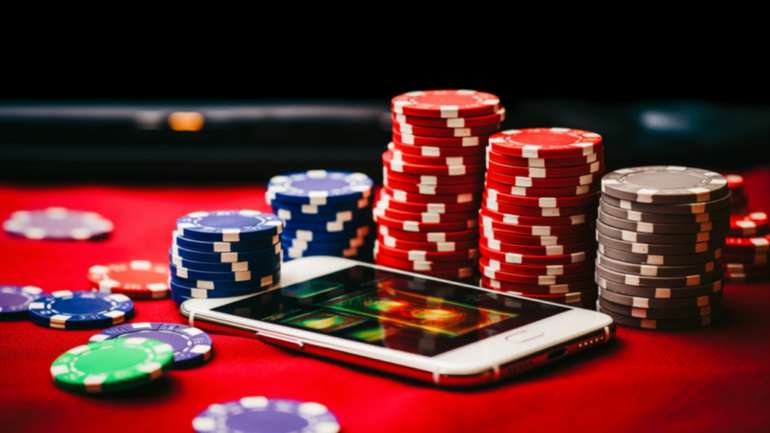
In contemporary times, gambling enters a new phase, particularly with the rise of online and mobile gaming platforms, which appeal to a global audience. Modern gambling shapes social dynamics, often reflecting current trends and attitudes towards risk-taking. This digital transformation changes how individuals engage with gambling, making it far more accessible but also raising concerns about addiction and impulse control.
Despite concerns, many societies continue to embrace gambling as a legitimate form of entertainment. This acceptance highlights a cultural shift towards viewing gambling as a leisure activity rather than a vice. It fosters a complex relationship between tradition and modernity, underscoring how societies adapt and reinterpret age-old practices in a contemporary context.
Exploring More on Gambling Culture
For those intrigued by the nuances of cultural gambling practices, various resources delve deeper into this fascinating aspect of human interaction. Engaging in activities like an ice fishing game illuminates the diverse contexts in which chance is embraced across cultures. Understanding cultural attitudes towards gambling can enhance one’s appreciation of the rich tapestry of human experience and interaction.
As cultural perceptions of gambling continue to evolve, they reflect deeper societal values, making it essential to keep exploring and discussing. Whether through festivities, economic implications, or shifting social norms, gambling’s significance can be understood as a window into the lives and values of different cultures around the world.